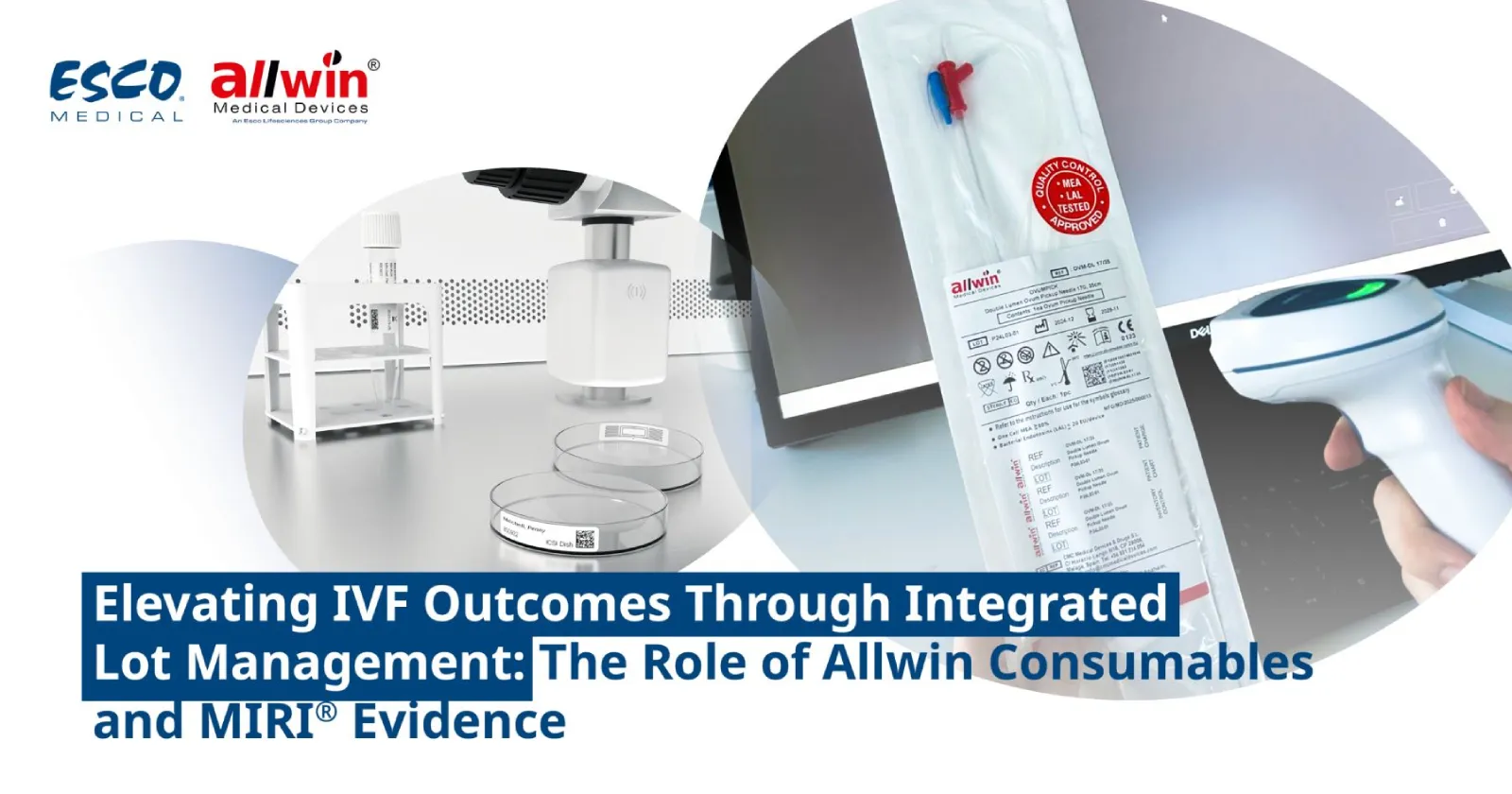


The foundation of every IVF laboratory lies in maintaining uninterrupted, physiologic environmental stability that supports optimal embryo development and leads to the best clinical outcomes. Even minimal fluctuations in temperature or gas composition, especially during handling or transport, can induce embryonic fragmentation, delayed cell division, and chromosomal abnormalities, ultimately compromising pregnancy outcomes.1,2 Traditional stationary benchtop incubators, fixed in place, require embryos to be transported across the laboratory, unavoidably exposing them to micro-environmental stress.
Temperature fluctuations play a critical role in oocyte viability and embryo development. Low temperatures impair spindle morphology, weaken chromosome alignment, and disrupt oocyte metabolism. Human oocyte spindles begin to depolymerize and may completely disappear when exposed to temperatures as low as 27.1°C to 31.9°C.3
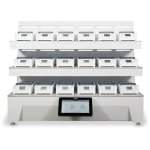
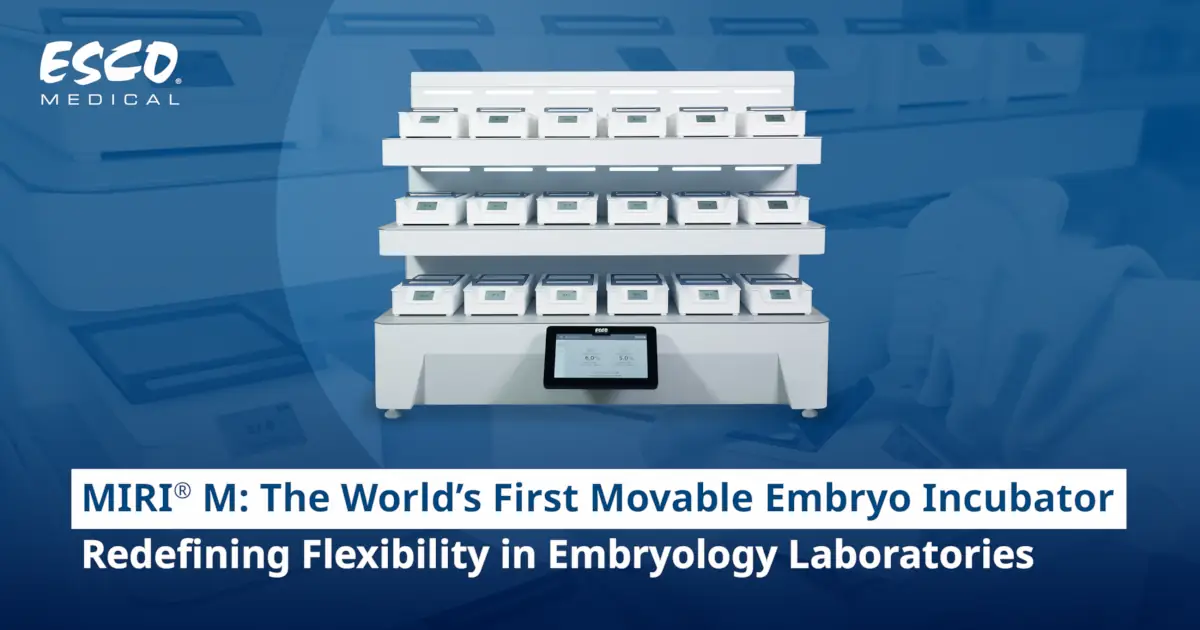
The MIRI® M Movable Incubator, the first movable embryo incubator in the world, was created to overcome this gap. It introduces a new standard of workflow flexibility while ensuring embryos remain in a tightly controlled micro-environment at every step from workstation to incubator, without interruption, without compromise.
A study by Korakaki et al. (2020) demonstrated that embryo culture dishes can lose more than 4°C in under 3 minutes when removed from the incubator, even when placed on a heating stage. Larger dishes cool even more rapidly, and laminar airflow further accelerates heat loss. These findings highlight that traditional IVF workflows expose embryos to unavoidable thermal stress during handling and movement.4 The fundamental issue lies in the standard workflow itself: conventional incubators cannot move, so embryos must, resulting in repeated and unavoidable microenvironmental instability.
The MIRI® M Movable Embryo Incubator directly addresses this vulnerability by maintaining a stable 37°C environment during transport, workstation transitions, and delicate procedures. Instead of removing embryos from the incubator, MIRI® M allows the incubator itself to move with the embryos, eliminating the severe temperature fluctuations that occur during movement.
The MIRI® M Advantage
MIRI® M brings stable conditions to the embryos wherever the workflow leads. It ensures:
Movable Chambers
Maintains a stable ±0.1°C temperature even when undocked for up to 30 minutes, ensuring embryos remain in a safe micro-environment during every movement.
Improved Multiroom System
Fast temperature (<1 min) and gas recovery (CO₂ ~3 min; O₂ <5 min) using pure CO₂ and pure N₂ gases keeps each chamber stable and ready, minimizing fluctuations during high-demand workflows.
Built-In Digital Traceability
Automatically displays and records patient identity, reducing the risk of mix-ups and allowing chambers to be repositioned freely without losing traceability.
Advanced Alarm System
Intelligent alerts via pop-ups, icons, color signals, and back panel lighting notify users instantly of any deviations to ensure rapid corrective action.
Safety and Control During Transportation
Ergonomically designed chambers provide a secure, non-slip grip for safe handling and stable movement throughout the laboratory.
By maintaining a controlled environment from workstation to incubator, MIRI® M protects embryos at every step, supporting higher consistency, better outcomes, and greater confidence in every embryology workflow.
MIRI® M: Where mobility meets precision. Protecting every embryo, every moment.
References
- Li D, Gao Y. Quality Management in the Assisted Reproduction Laboratory. Singapore: Springer; 2024. doi:10.1007/978-981-99-6659-2.
- Cairo Consensus Group. 'There is only one thing that is truly important in an IVF laboratory: everything'---Cairo Consensus Guidelines on IVF Culture Conditions. Reprod Biomed Online. 2020;40(1):33-60. doi:10.1016/j.rbmo.2019.10.003.
- Larman MG, Minasi MG, Rienzi L, et al. Maintenance of the meiotic spindle during vitrification in human and mouse oocytes. Reprod Biomed Online. 2007;15(6):692–700.
- Korakaki D, Mouroutsos S, Tripsianis G, Nikolettos N, Asimakopoulos B. Temperature decline in embryological culture dishes outside incubator. Int J Fertil Steril. 2020;14(1):63–67. doi:10.22074/ijfs.2020.5917.