

Sensitivity of Embryos in Assisted Reproduction
Mammalian oocytes and preimplantation embryos used in IVF are highly sensitive to their environment. During in vitro handling, even minor variations in laboratory conditions can affect developmental competence and overall embryo quality.
The scientific literature highlights that embryos are exposed to multiple environmental factors during routine laboratory workflows, particularly light exposure and temperature fluctuations, both of which play a critical role in maintaining cellular integrity throughout early development.
Impact of Light Exposure on Embryo Development
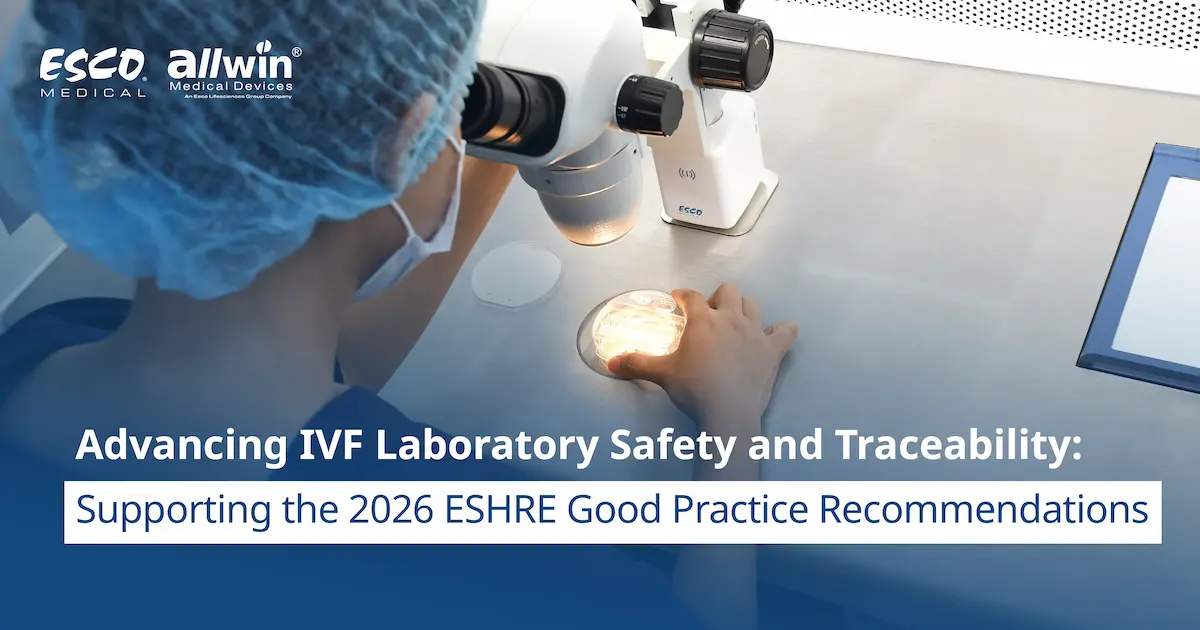
Embryos are routinely exposed to light during microscopic evaluation, manipulation, and procedural monitoring. This exposure includes both artificial laboratory illumination and incidental ambient light.
Research indicates that short-wavelength light exposure may induce oxidative stress in mammalian embryos, potentially affecting developmental outcomes. A peer-reviewed study reported that light exposure can adversely affect embryo development and quality parameters under laboratory conditions (Li et al., 2014).
Key scientific considerations include:
- Wavelength sensitivity, particularly short-wavelength light (<500–550 nm)
- Cumulative exposure during repeated observation cycles
- Intensity of microscope and ambient lighting systems
- Duration of handling outside controlled environments
These factors reinforce the importance of minimizing unnecessary exposure and optimizing observation workflows within IVF laboratories.
Temperature Stability: Protecting Embryos During Transfer and Handling
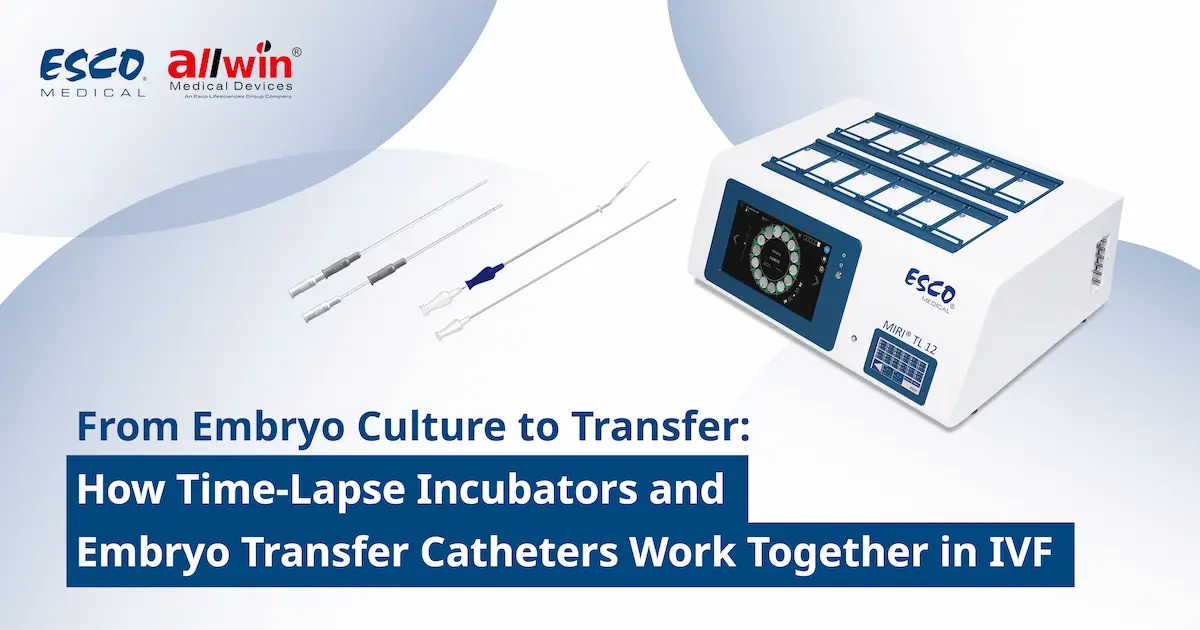
Temperature fluctuations are another major environmental variable in embryology practice, especially during embryo transfer procedures when embryos are temporarily removed from incubator-controlled conditions (Gurner et al., 2024).
Even brief exposure to suboptimal temperature conditions may influence cellular processes such as spindle stability, metabolic regulation, and gene expression dynamics.
Key sources of variability include:
- Transit time between incubator and transfer workstation
- Ambient air exposure during media and catheter preparation
- Handling sequence efficiency and operator workflow design
- Equipment configuration and thermal regulation at workstations
Maintaining a stable thermal environment during these stages is essential for preserving embryonic integrity and achieving consistent clinical outcomes.
Standardization in IVF Laboratory Workflows
IVF laboratories implement structured protocols to reduce environmental variability and improve procedural consistency across embryology workflows.
Common best-practice approaches include:
- Minimizing time embryos spend outside incubator systems
- Using heated stages and thermally controlled work surfaces
- Standardizing handling procedures across operators
- Reducing unnecessary embryo exposure during observation
- Maintaining stable gas composition and pH conditions in culture systems
These measures collectively improve reproducibility and reduce environmental stress during sensitive developmental stages.
Integrated Environmental Control Systems in Embryology
Advancements in IVF technology are increasingly focused on integrating environmental stability directly into laboratory workflows, thereby reducing reliance on external stabilization measures.
Modern embryo culture systems are designed to maintain tightly regulated conditions throughout handling and observation, supporting continuity between incubation and manipulation stages.
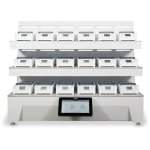
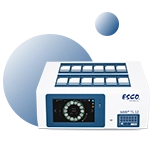
For example, incubators such as the MIRI® M Multiroom IVF Incubator are engineered to support:
- Continuous temperature and gas stability within the culture environment
- Reduced exposure of embryos to external fluctuations during workflow transitions
- Controlled incubation conditions during extended handling procedures
- Improved consistency across laboratory processes and operator interactions
By embedding environmental regulation within the workflow itself, such systems help reduce variability at critical points in embryo development.
Precision Environmental Control as a Core IVF Requirement
Embryo development in IVF laboratories is highly dependent on environmental stability throughout handling, observation, and transfer. Light exposure and temperature fluctuations remain two of the most influential external variables affecting embryonic conditions outside incubators.
Evidence from embryological research supports the need for tightly controlled laboratory environments to minimize oxidative stress and physiological disruption during in vitro development (Li et al., 2014).
As IVF technologies continue to evolve, integrated environmental control systems and standardized laboratory protocols are becoming essential tools for achieving consistent, high-quality embryology outcomes.
References
Gurner, K. H., Kelley, R. L., Lee, L. Y. S., & Gardner, D. K. (2024). Temperature fluctuations during embryo transfer can be mitigated by optimizing transfer protocol. Reproductive BioMedicine Online, 48(6), 103847. https://doi.org/10.1016/j.rbmo.2024.103847
Li, R., Pedersen, K. S., Liu, Y., et al. (2014). Effect of red light on the development and quality of mammalian embryos. Journal of Assisted Reproduction and Genetics, 31(7), 795–801. https://doi.org/10.1007/s10815-014-0247-7