


As assisted reproductive technology (ART) continues to evolve, IVF laboratories face increasing expectations to maintain high standards of patient safety, quality management, risk reduction, and traceability. With multiple critical procedures taking place throughout the IVF laboratory, accurate identification and handling of biological samples are essential to protecting patients and supporting consistent laboratory practices.
The updated ESHRE recommendations on good practice in the IVF laboratory (2026) emphasize the importance of robust laboratory processes, comprehensive traceability, effective risk management, and standardized workflows. These recommendations highlight the growing need for IVF laboratories to adopt reliable systems that support accurate identification, documentation, and monitoring throughout the treatment pathway.
Strengthening Traceability in the IVF Laboratory
IVF laboratories manage biological samples through multiple critical stages, from the collection and identification of gametes to fertilization, embryo culture, transfer, and cryopreservation. At every step, maintaining the correct identification and traceability of biological samples is essential to patient safety.
The 2026 ESHRE recommendations reinforce the importance of traceability and the prevention of identification errors. As IVF workflows become increasingly complex, technology-enabled solutions can help laboratories strengthen identification processes, reduce risk, and support standardized laboratory practices.
MIRI® Evidence: Supporting Safer IVF Workflows
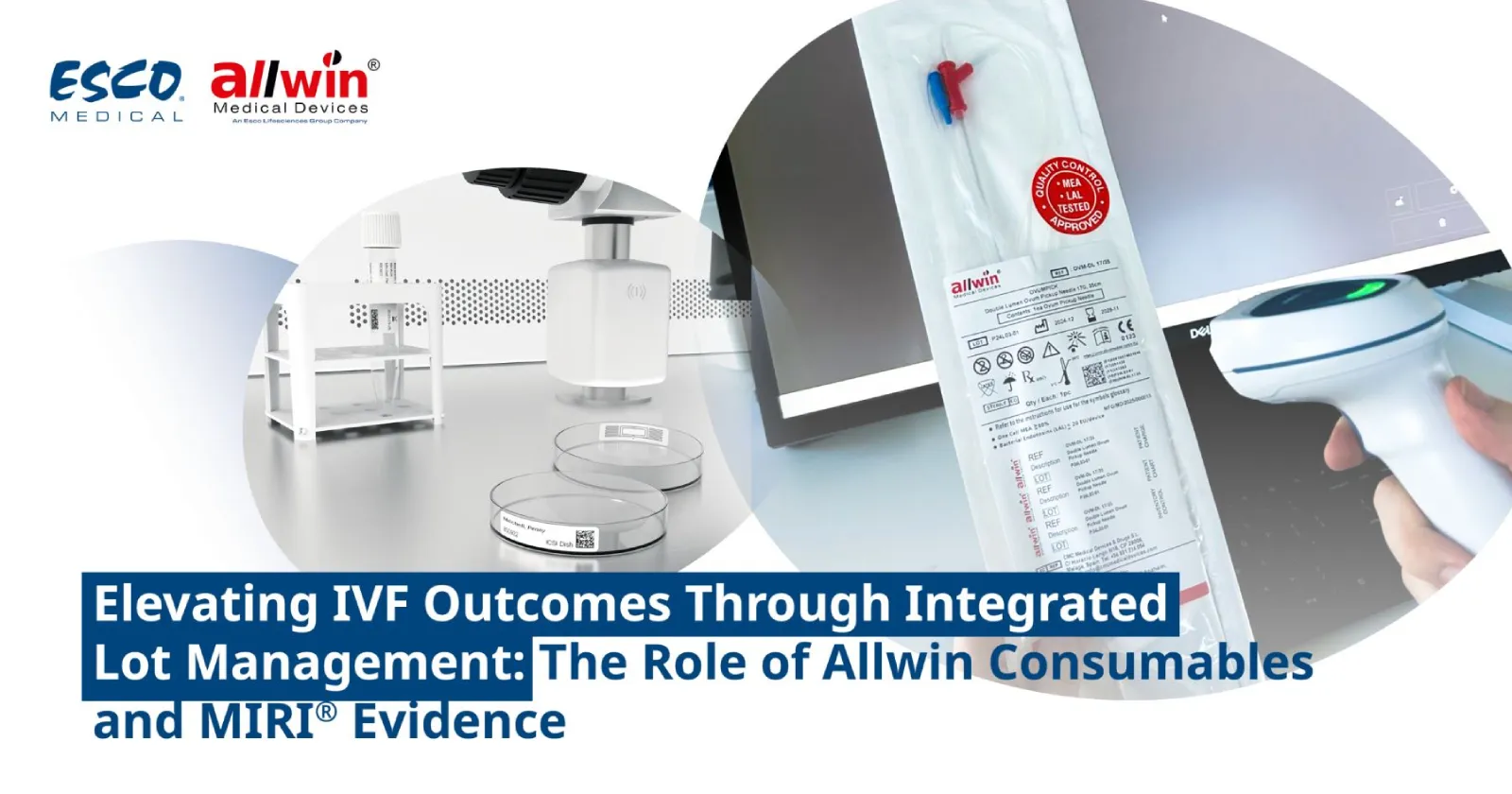
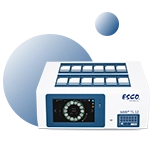
The MIRI® Evidence RFID Witnessing and Traceability System is designed to support secure and efficient identification workflows using advanced RFID technology.
By providing automated witnessing and traceability across key laboratory procedures, MIRI® Evidence helps support accurate identification of patient-related samples and greater visibility throughout the IVF workflow. The system supports traceability across critical laboratory processes, helping laboratories maintain a more comprehensive record of relevant events.
This approach aligns with the growing focus on patient safety, traceability, risk management, and quality assurance reflected in the updated ESHRE recommendations.
Enhancing Patient Safety Through Automated Witnessing
Human error prevention is a critical priority in IVF laboratories. While manual witnessing remains an important part of laboratory procedures, automated witnessing technology can provide an additional layer of identification and verification.
MIRI® Evidence uses RFID-based identification and automated witnessing to support verification during critical laboratory procedures. By helping automate identification checks and record relevant events, the system can help reduce risks associated with manual processes while supporting embryologists in their daily work.
For laboratory managers, this can provide greater workflow visibility and traceability. For embryologists, it offers an additional layer of support during critical procedures. Ultimately, it contributes to the broader goal of maintaining safe and reliable IVF laboratory practices.
Supporting Quality Management and Risk Reduction
Modern IVF quality management goes beyond documentation. Laboratories need systems that support risk reduction, process monitoring, accurate recordkeeping, and continuous improvement.
MIRI® Evidence can support these objectives by integrating witnessing and traceability into routine laboratory workflows. Electronic records of critical laboratory events can improve visibility, strengthen quality processes, and support laboratory reviews and audit readiness.
By moving from purely retrospective documentation toward proactive identification and verification, laboratories can take a more systematic approach to managing risks and maintaining consistent workflows.
Preparing IVF Laboratories for the Future
The future of IVF laboratory practice requires more than advanced clinical techniques. As expectations for patient safety and quality continue to rise, laboratories also need reliable systems that support identification, traceability, documentation, and risk management.
The updated 2026 ESHRE recommendations reinforce the importance of these principles and reflect the continued evolution of good practice in IVF laboratories.
MIRI® Evidence RFID Witnessing and Traceability System supports this evolution by helping laboratories implement automated witnessing, secure identification, and comprehensive traceability across critical IVF workflows.
By combining the expertise of embryologists with technology-enabled identification and traceability, IVF laboratories can take a proactive approach to reducing risk, strengthening quality processes, and supporting safer patient care.
Reference
ESHRE Good Practice in the IVF Lab Working Group. (2026). ESHRE recommendations on good practice in the IVF laboratory. Human Reproduction. Advance online publication. https://doi.org/10.1093/humrep/deag096